Local GPU workstations
Three Dell Precision 3680-class workstations with Intel Core i9-14900 processors and NVIDIA GeForce RTX 4090 GPUs with 24 GB GPU memory support data processing, simulation, visualization, and machine-learning development.
 LABORATORY · VIRGINIA TECH
Scientific AI, mechanics, and materials meet in our research on predictive engineering and advanced manufacturing.
We develop agentic AI frameworks that connect reasoning, planning, and engineering simulation for advanced manufacturing. By bringing physics-based models and computational tools into coordinated workflows, we aim to support autonomous exploration of process conditions, informed decision-making, and adaptive manufacturing.
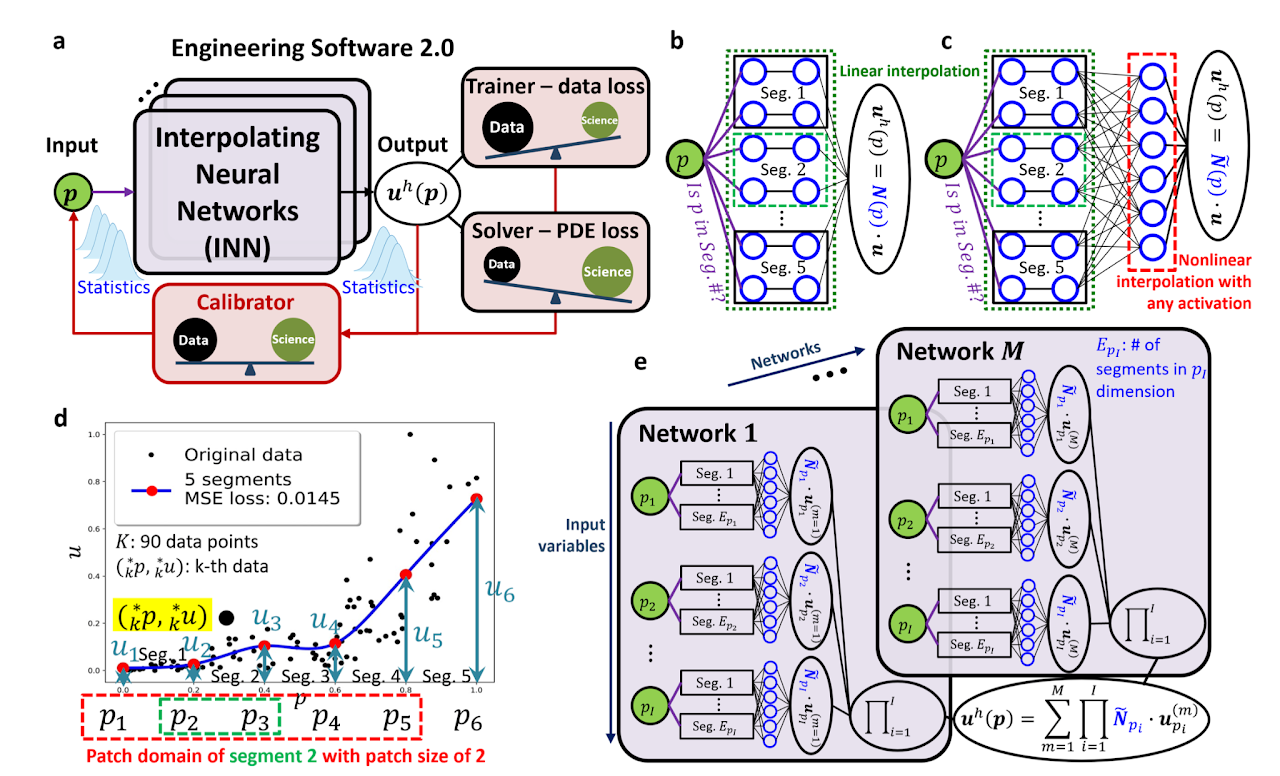
We develop separable neural architectures that bring training, solving, and calibration into one computational framework. This work builds on HiDeNN and interpolating neural networks, linking machine learning with engineering simulation.
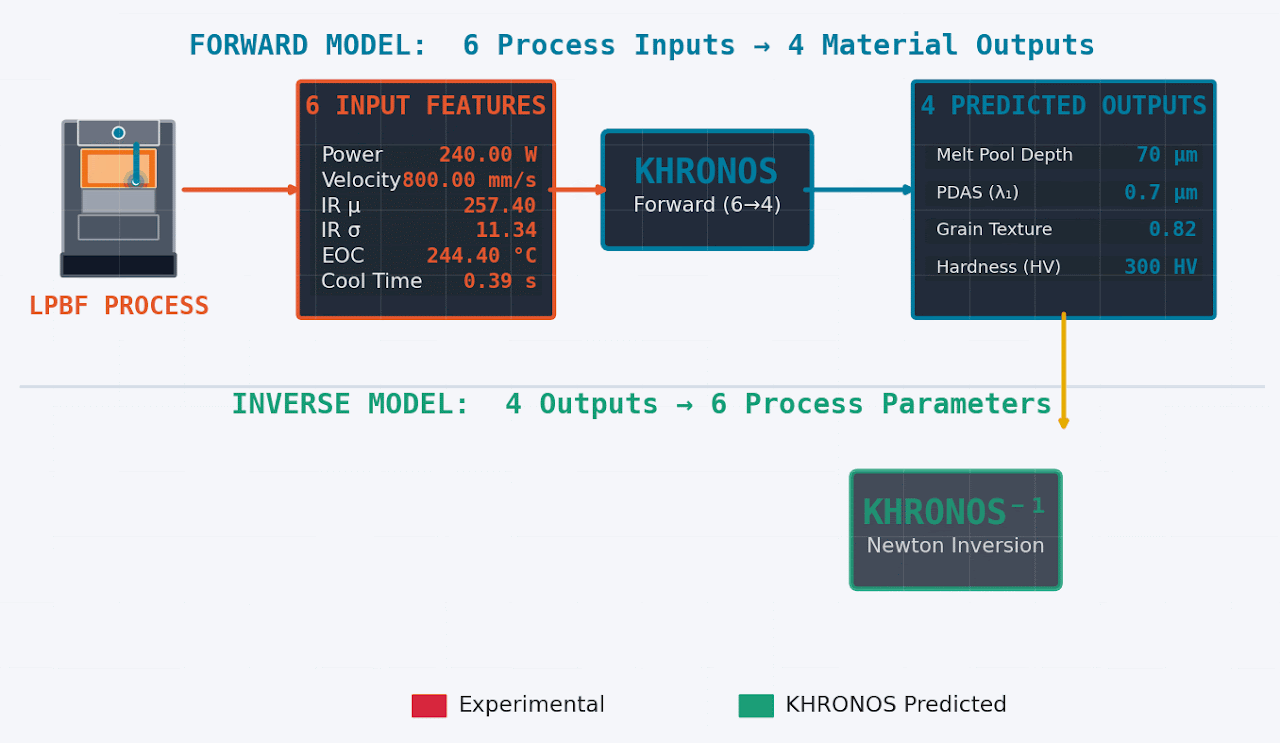
KHRONOS explores manufacturing pathways that achieve a desired material response. The architecture supports real-time inverse control without retraining or calibration.
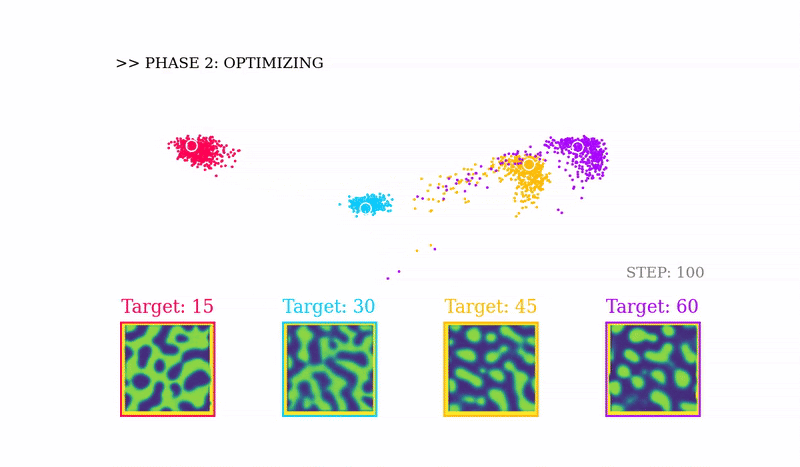
JANUS uses a deterministic neural architecture to generate target microstructures from physics-informed criteria. We study the process–structure–property relationships behind 3D-printed alloys.
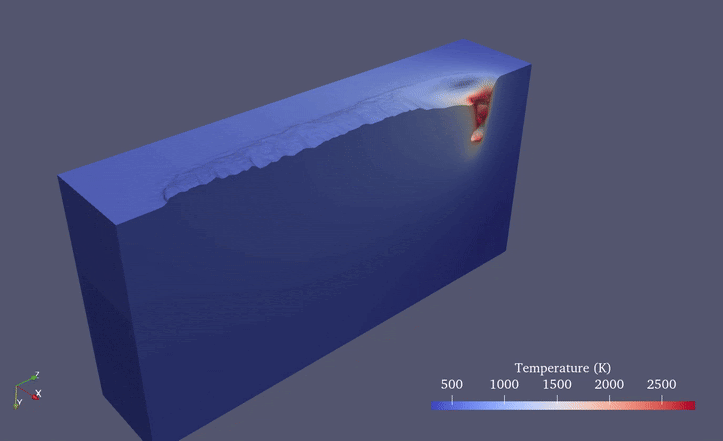
We study how molten flow and microstructure interact during welding in microgravity. Fundamental models help reveal the physics needed for reliable manufacturing beyond Earth.
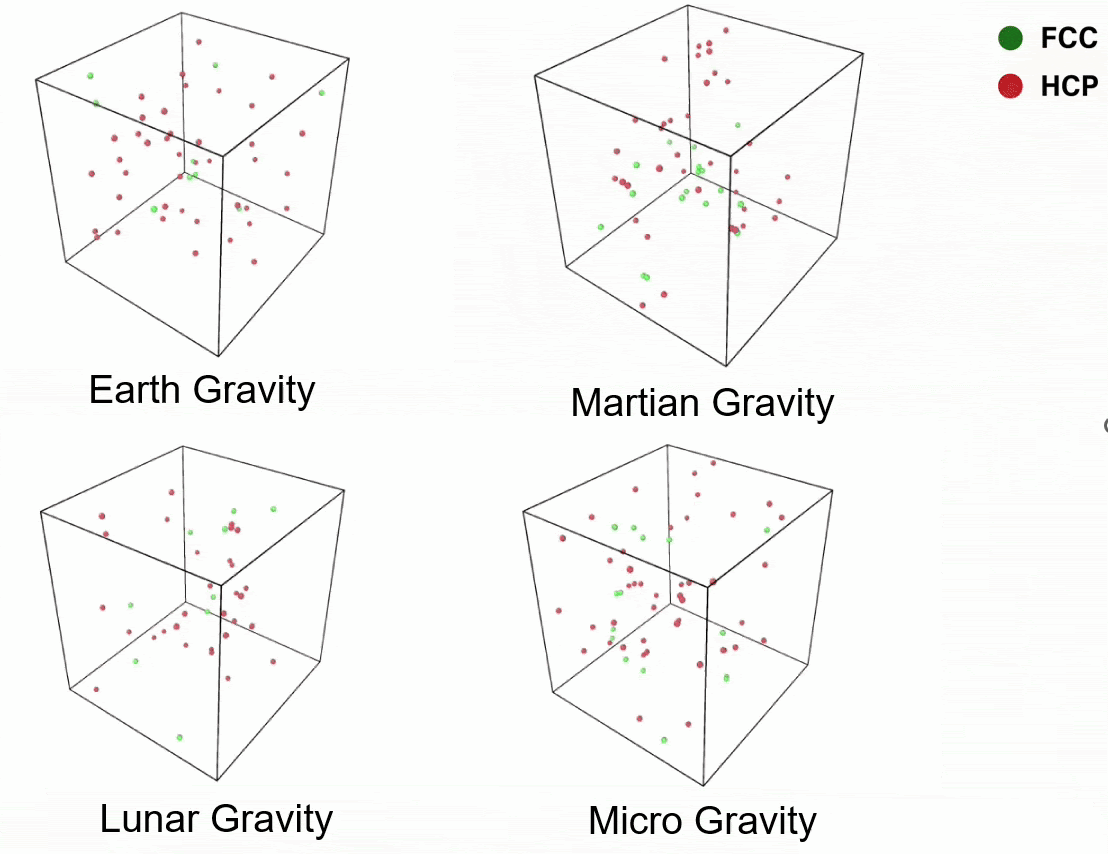
Molecular dynamics, density functional theory, cellular automata, and scientific machine learning help us understand deformation mechanisms and connect terrestrial and extraterrestrial materials applications.
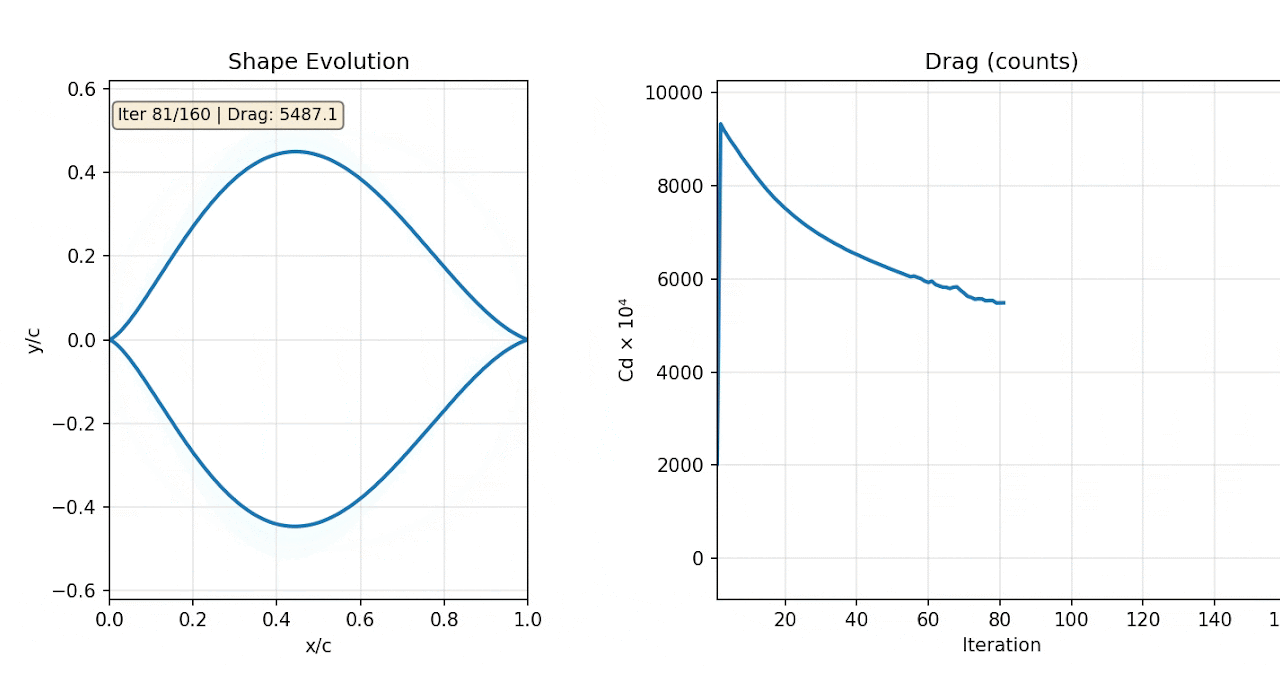
Multi-fidelity surrogates capture full-field physics across high-dimensional design spaces. We apply these tools to inverse design for next-generation wing structures.
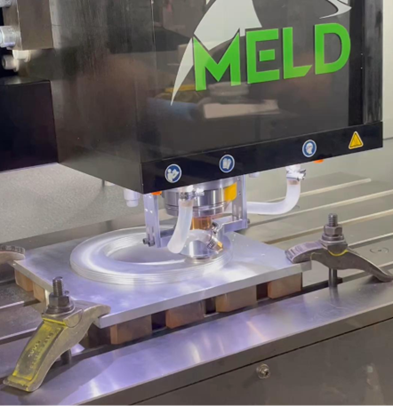
Working with industry, we develop high-fidelity digital twins for additive friction stir deposition. These models aim to predict defects and improve the reliability and affordability of large aerospace components.
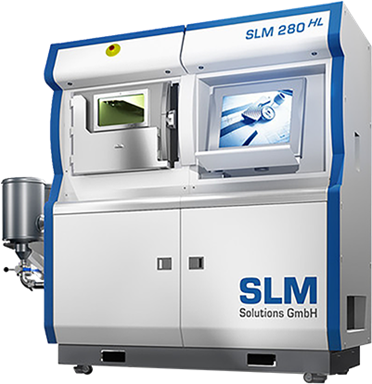
Three Dell Precision 3680-class workstations with Intel Core i9-14900 processors and NVIDIA GeForce RTX 4090 GPUs with 24 GB GPU memory support data processing, simulation, visualization, and machine-learning development.
Access in collaboration with Prof. Rao to a five-axis hybrid laser-wire directed energy deposition system with dual-wire feed, a 1.2 kW laser, and open controls for feedback-control research.
At least three machines are available across the lab and VT-MADE center. Integrated cameras and sensor monitoring support manufacturing experiments and hands-on student training.
Dual-source, dual-detector computed tomography with resolution down to 10 micrometers and Volume Graphics analysis tools for evaluating additive-manufacturing defects.
A 1 kN rotating-beam fatigue tester with servo-controlled bending moment, operation up to 6,000 RPM, and an elevated-temperature option supports high-cycle fatigue characterization.
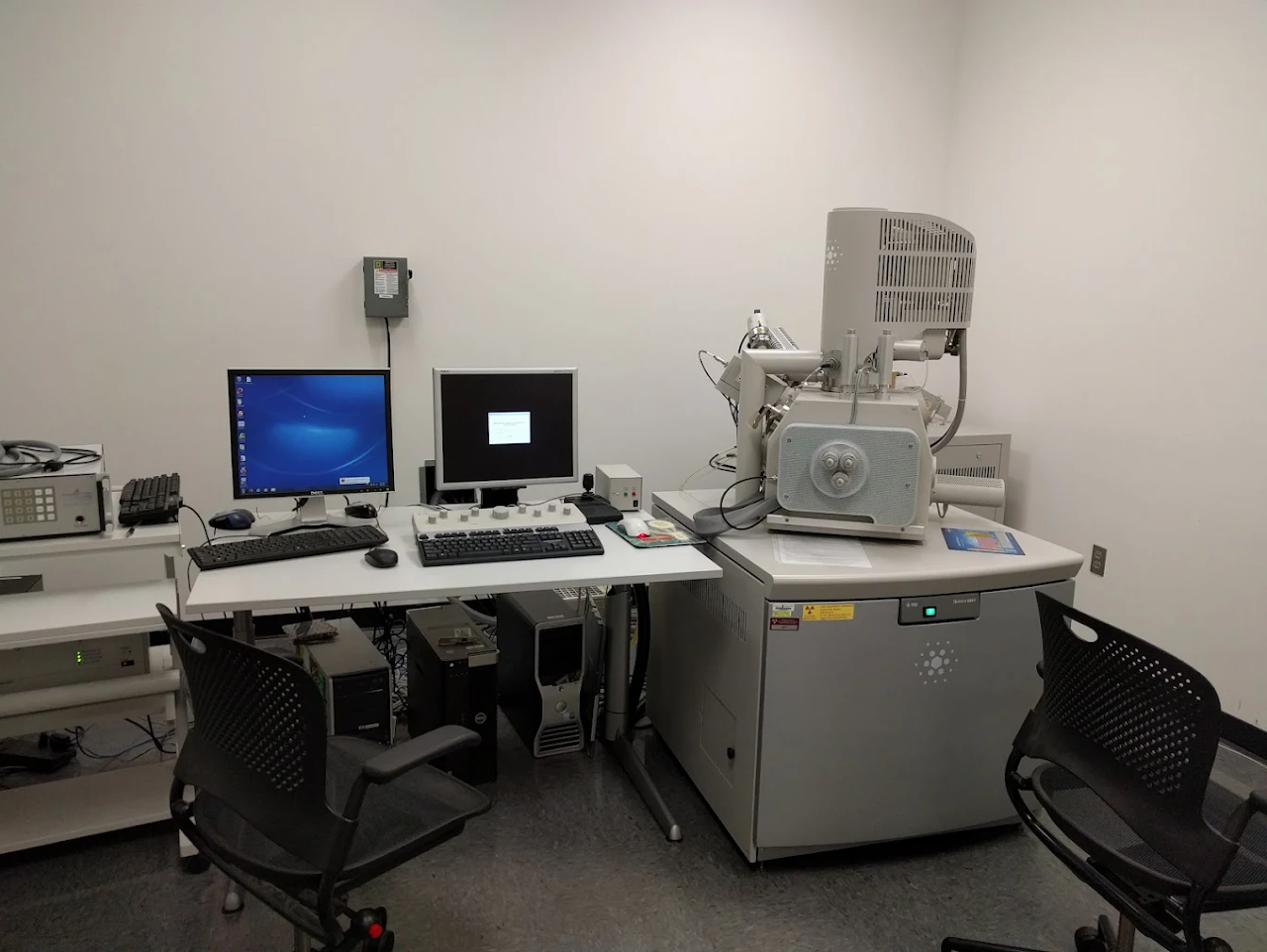
Shared access to mechanical and impact testing, microscopy, digital image correlation, thermal imaging, real-time control, and data-acquisition systems supports materials and structures research.
IMMPACT Lab is a member laboratory, and Dr. Saha is affiliated faculty. Center resources include additive and hybrid manufacturing systems across metals, ceramics, polymers, and composites, plus the Learning Factory for hands-on education.
Our group received awards in five major categories of the NIST Additive Manufacturing Benchmark Challenge.
Watch our research talks ↗